
Postural correction helps to the process of assessing of actively improving and maintaining proper alignment of the body’s musculoskeletal structure, including the spine, muscles, and joints, to distribute gravity evenly and reduce strain on the body. Good posture is essential for reducing strain on muscles, joints, and ligaments, preventing pain, and improving overall function.
Call Us when you Need Help!
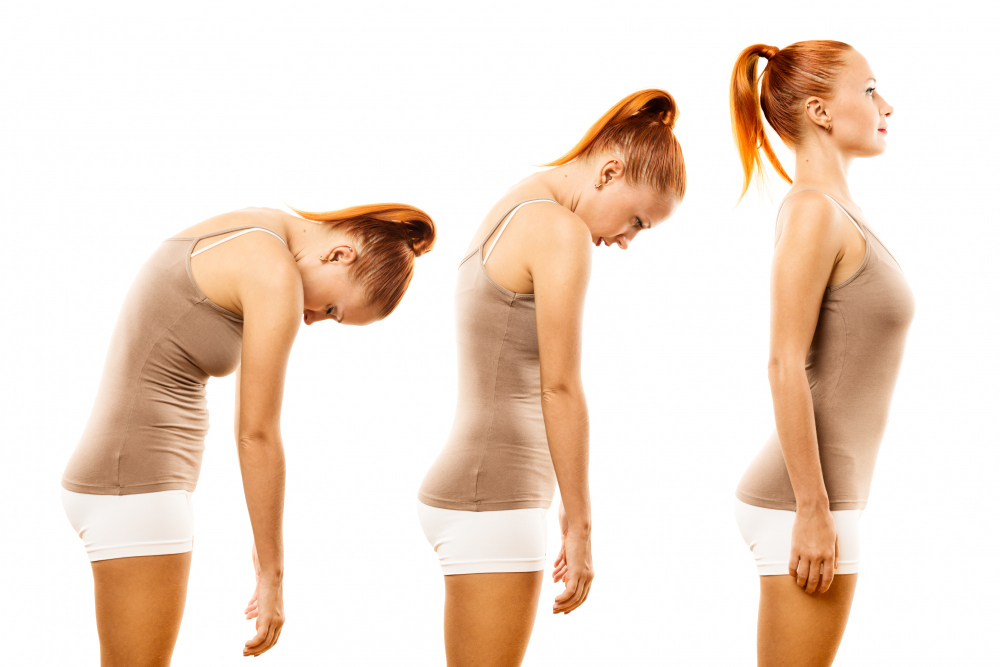
Clinical Process for Postural Correction
- Initial Assessment
- Postural Analysis: examines the patient’s posture in different situations of standing, sitting, and walking positions.
- Muscle Imbalance Testing: Identifies weak or tight muscles contributing to poor posture
- Spinal Alignment Check: Evaluates the alignment of the spine, limbs, and pelvis to identify deviations such as scoliosis, kyphosis, or lordosis.
- Functional Movement Testing: Assesses how posture affects movement during activities like bending, lifting, or walking.
- Therapeutic Interventions
Depending on the root cause of poor posture, the following clinical processes may be implemented:
- Stretching and Flexibility Training:
- To improve tight muscles, such as the chest, hamstrings, or hip flexors.
- Common stretches include pectoral stretches, hip flexor stretches, and hamstring stretches.
- Strengthening Exercises:
- To strengthen weak muscles that support good posture, such as the core, upper back, and glutes.
- Examples: Planks, rows, scapular retractions, and glute bridges.
- Manual Therapy:
- Hands-on therapy techniques like massage, joint mobilization, Muscle Energy, or myofascial release to address muscle tension and joint restrictions.
- Postural Taping or Bracing:
- Use of kinesiology tape or braces to provide feedback and support for maintaining when working or playing sport.
- Gait Training:
- If poor posture affects walking patterns, body gait assessment is provided to ensure proper alignment during movement.
- Advanced Techniques
- Neuromuscular Re-education: Techniques to retrain the nervous system for proper muscle activation and posture control.
- Ongoing Monitoring and Adjustments
- Regular follow-ups are scheduled to monitor progress and adjust the treatment plan.
- Maintenance exercises and posture checks are recommended to ensure long-term benefits.
Conditions Treated with Postural Correction
- Forward head posture (“text neck”)
- Rounded shoulders
- Kyphosis (hunchback)
- Lordosis (swayback)
- Scoliosis
- Pelvic tilt (anterior or posterior)
- Flat feet or overpronation affecting posture
Expected Outcomes
With consistent effort and proper clinical guidance, postural correction can:
- Reduce pain and discomfort.
- Improve physical function and mobility.
- Prevent further musculoskeletal problems.
- Enhance overall quality of life.
Our Process
Scan & Capture
Analyze Pressure Points
Transmit & Customize
FAQs About The Service
There are many questions about the service, we have selected frequently asked questions about this service. If you do not see your answer, please contact us.
How accurate is the Albert 2 Pro foot scanner?
Can the Albert 2 Pro scan anything other than feet?
How long does the scanning process take?
What are the benefits of using the Albert 2 Pro for retailers and consumers?
Why Choose Us?
Are you having health and wellness problems?
Address Business
Contact With Us
Call Us: +1 604-233-0040
Working Time
Sunday: 8.30am - 19.30pm
Helping you Move + Feel Better
If you’re living with significant pain and discomfort from an orthopedic(musculoskeletal) condition, you know firsthand how much it can affect your quality of life. Seemingly simple tasks like walking, climbing stairs or evenstanding become much more difficult. On a positive note, our bone, joint and muscle specialists are here to get you moving again.